


At Horizon Organic, we understand that a good product begins with a good farm. That’s why we always choose the best partners and also invest in our own organic farming system to produce truly high-quality products.
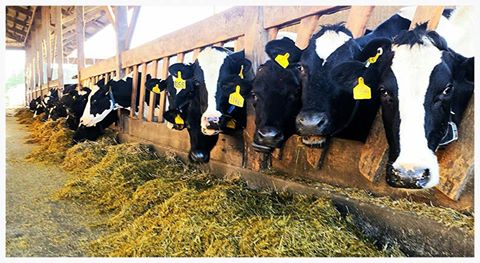
How does an organic farm operate?
The transition to organic farming takes time. Converting conventional cropland and pasture to organic requires 3 years before it can be certified. During the transition period and afterward, the use of persistent, toxic pesticides, most commercial fertilizers, GMO seeds and sewage sludge is strictly prohibited. Organic cows eat a completely organic, non-GMO diet and are not given growth hormones to increase milk production or treated with antibiotics. At the same time, organic cows must be grazed on certified organic pasture for at least 120 days each year.
United States Department of Agriculture (USDA) Organic Standards
Want to know if a food or beverage is certified organic? Look for the USDA Organic seal on the packaging. All USDA-certified organic products are clearly labeled and display this certification seal. Horizon Organic products can only be brought to market after the United States Department of Agriculture has confirmed that federal organic standards for production and handling have been met. Most importantly, USDA organic certification is monitored and audited annually by USDA-accredited certifying bodies, including unannounced or pre-announced inspections at production sites. If, for any reason, an organic product violates USDA organic regulations, enforcement actions may be taken, including financial penalties, suspension or revocation of organic certification. The founders of Horizon Organic played an important role in developing the National Organic Standards and the USDA Organic seal in the 1990s, and Horizon Organic was the first organic dairy brand to be distributed nationwide in the United States.
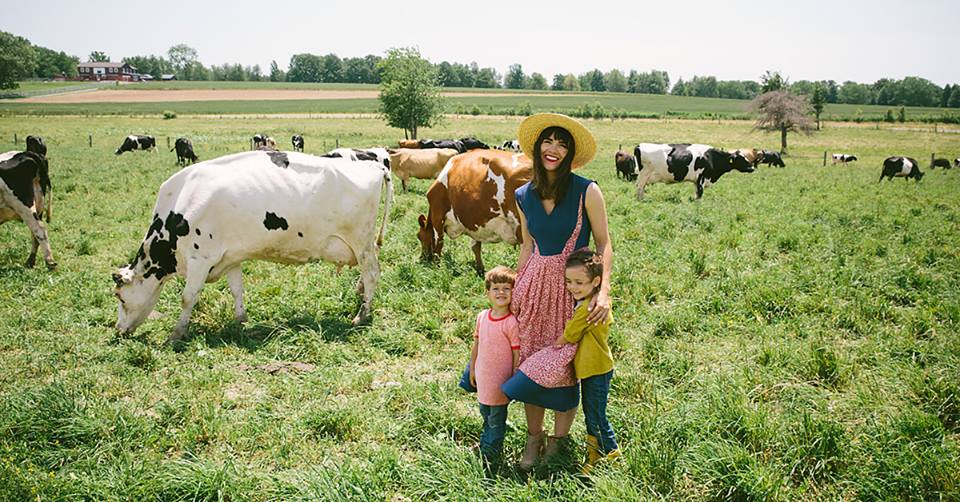
Life of animals on an organic farm
As the No. 1 organic milk brand in the United States, Horizon Organic’s cows receive a lot of attention — but what about the other wildlife on our farms? Organic standards require farms to maintain or improve their natural resources, including wildlife habitat and the quality of soil and water. The health of the entire on-farm ecosystem is assessed in USDA reports.
Soil management
Organic farming relies on practices such as cover cropping, crop rotation and managed grazing to help keep soils healthy. And of course, toxic, persistent pesticides, herbicides and synthetic fertilizers are prohibited. Keeping the soil rich and fertile means lush pastures for our organic cows — and that, in turn, means delicious, creamy organic milk for your family. In addition, managing land and soil with organic methods can help reduce erosion and flooding.


 Organic Valley Milk
 Horizon Organic Milk
 Daioni Organic Milk
 Orgain Organic Milk
 Korean Red Jujube
 Lakewood Fruit Juices
 VerMints Organic Mints
 Other Organic Products