


Organic food is a term that is increasingly searched for in the food sector because of the benefits it brings, such as protecting human health and preserving the natural environment. This article provides an objective comparison between organic and non-organic foods, including their nutrient content and their effects on human health.
-
WHAT IS ORGANIC FOOD? THE TREND OF USING ORGANIC FOOD
Organic food refers to foods that are raised or grown according to organic farming methods and standards, in which the following are not used: artificial chemicals (pesticides, chemical fertilizers, preservatives…), growth hormones, antibiotics or genetically modified organisms.
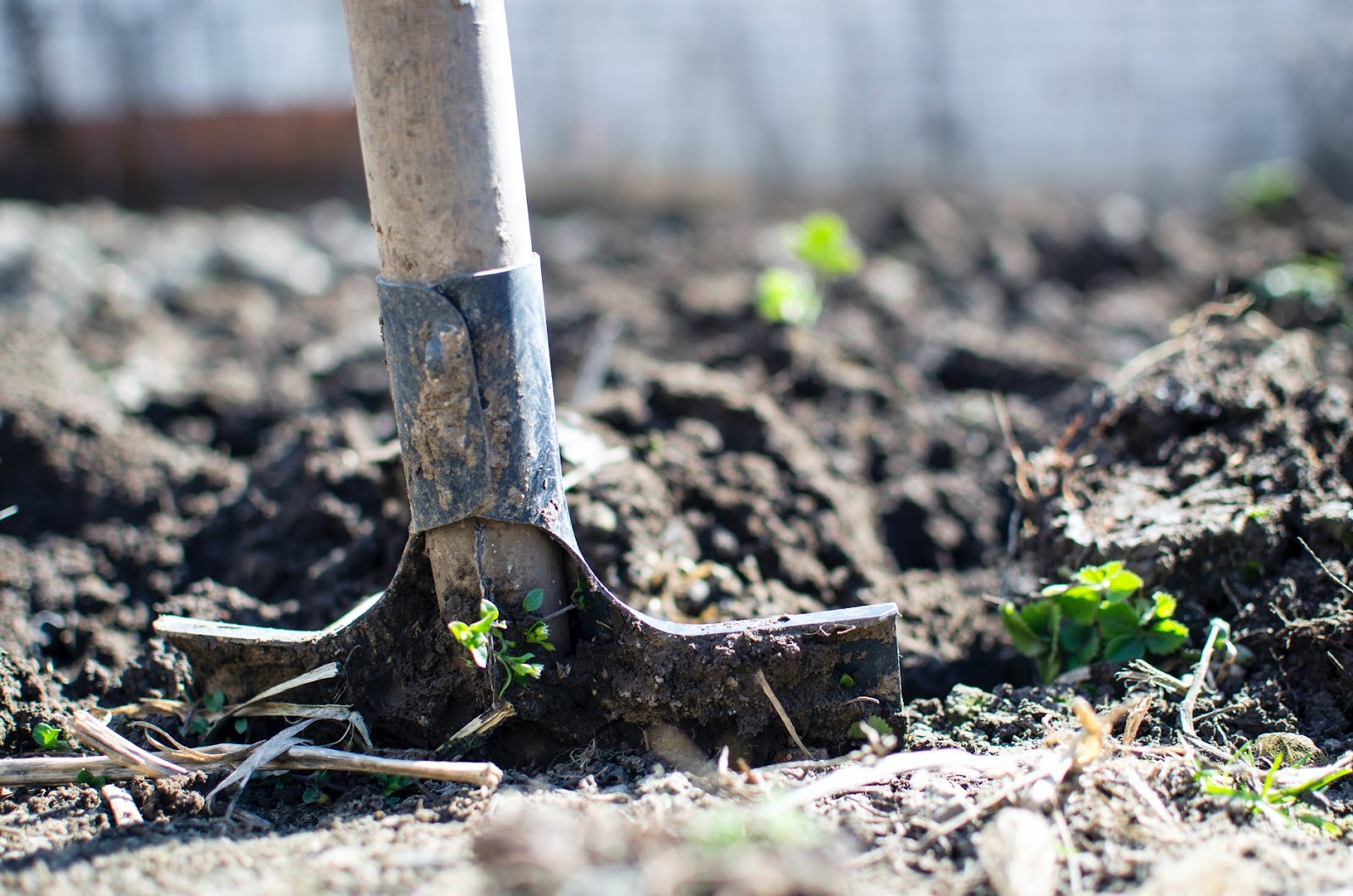
At Daioni Organic, earthworms help make the soil richer and more friable.
The most commonly consumed organic foods are fruit, vegetables, grains, dairy products and meat. Today, there are also many processed organic products, such as sodas, cookies and breakfast cereals.
Many people often confuse organic food with clean food or food grown at home. However, these concepts are completely different. Clean food is grown according to production processes that allow the use of pesticides and chemical fertilizers within safe limits. Products that are to be certified as organic food must go through strict inspection processes and be officially certified as organic.
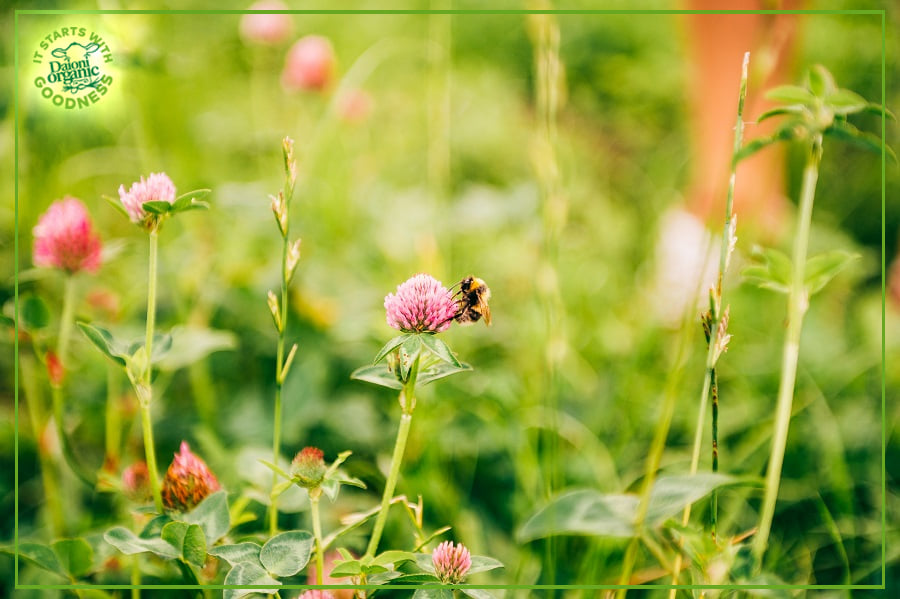
Organic clover is an important protein source for happy organic cows and also provides abundant nectar for bees at Daioni’s organic farm.
Organic food is currently a major global consumption trend. In Vietnam, the use of organic food is also becoming increasingly popular. In addition to being a clean food source that is beneficial for consumer health, organic farming also helps protect the environment, balance ecosystems and preserve biodiversity.
-
STANDARDS FOR ORGANIC FOOD
To be certified organic, products must be grown and produced in accordance with the organic standards of the country where the food is consumed.
Organic certification is granted to a product to confirm that it is organic. Depending on what percentage of its ingredients are organic according to specific regulations, different levels of certification are applied. This certification verifies the safety and purity of the food.
Each organic certification has strict requirements regarding seeds, water sources, soil, fertilizers, etc., all of which must meet organic agricultural standards.
The organic certification of the United States Department of Agriculture (USDA) and the National Organic Program, and the organic certification of The Soil Association (the most authoritative organic certification body in the European Union) are among the strictest organic standards. Products must contain at least 95% organic ingredients in order to use the logo. In addition, during processing, they must not contain synthetic preservatives or chemical ingredients.
There are 4 different levels of organic labelling:
-
Label “100% Organic”: This means that all ingredients are organically produced.
-
Label “Organic”: At least 95% or more of the ingredients are organic.
-
Label “Made With Organic Ingredients”: Made with organic ingredients, containing at least 70% organic ingredients.
-
Label “Less Than 70% Organic Ingredients”: Less than 70% of the ingredients are organic.
-
NUTRIENTS IN ORGANIC FOOD
Organic foods may contain higher levels of certain nutrients. Studies comparing the nutrient content of organic and non-organic foods have produced mixed results, most likely due to natural variation in food handling and production methods. However, evidence suggests that foods grown using organic methods may be more nutritious.
Crops grown organically have been found to contain higher levels of antioxidants and vitamins. Some studies have shown that organic foods often contain higher amounts of antioxidants and certain micronutrients, such as vitamin C, zinc and iron. In fact, antioxidant levels in these foods may be up to 69% higher. One study also showed that organically grown berries and corn contained 58% more antioxidants and up to 52% more vitamin C than conventionally grown counterparts.
Furthermore, one study reported that replacing conventional fruits, vegetables and grains with organic varieties could increase your antioxidant intake. This effect is comparable to eating an additional 1–2 servings of fruits and vegetables per day. Because organic plants do not rely on chemical pesticides for protection, they produce more of their own protective compounds, specifically antioxidants. This may partly explain the higher antioxidant levels found in these plants.
Organic crops have also been shown to contain lower nitrate levels. In fact, studies have indicated that nitrate levels in organic foods may be up to 30% lower than in conventionally grown foods. High nitrate intake has been linked to an increased risk of certain types of cancer. In addition, high nitrate levels are associated with a condition called methemoglobinemia, a disorder in infants that affects the blood’s ability to carry oxygen. That said, many experts believe that the potential harms of nitrates have been overstated, as the benefits of eating vegetables and fruits far outweigh any negative effects.
Organic milk and dairy products may contain higher levels of omega-3 fatty acids, as well as slightly higher amounts of iron, vitamin E and certain carotenoids compared with conventional dairy products.
-
WHERE TO BUY ORGANIC FOOD?
With the mission of “Accompanying Vietnamese health and intelligence”, Solomon International continuously researches and brings to consumers the world’s leading organic products in terms of safety, quality and nutrition.
Solomon International only chooses to cooperate with leading global brands whose quality is certified by some of the most authoritative and reputable organic certification bodies, such as the United States Department of Agriculture (USDA) and The Soil Association (the most authoritative organic certification organization in the European Union). Therefore, consumers can be completely confident in the quality of organic dairy products exclusively distributed by Solomon International.


 Organic Valley Milk
 Horizon Organic Milk
 Daioni Organic Milk
 Orgain Organic Milk
 Korean Red Jujube
 Lakewood Fruit Juices
 VerMints Organic Mints
 Other Organic Products